why fat is important in keto Fat keto protein vs macro claim important key their some people
Starting a new diet can be overwhelming and confusing, but don’t worry, we’re here to help simplify things when it comes to the popular ketogenic diet. The key to a successful keto diet is to consume a high amount of fat, moderate protein, and low carbohydrates. But just how much fat and protein should you be consuming? Let’s take a closer look. When it comes to the keto diet, fat is your friend. In fact, it should make up about 75-80% of your daily caloric intake. This may seem like a lot, but it’s necessary for your body to enter a state of ketosis, where it burns fat for fuel instead of glucose. A common misconception is that all fats are created equal, but that’s not the case. Focus on consuming healthy fats such as avocado, nuts, seeds, olive oil, and fatty fish. Now let’s talk about protein. While protein is important for building and maintaining muscle mass, it’s important not to overdo it on the keto diet. Consuming too much protein can kick your body out of ketosis as it can be converted to glucose. Aim for moderate protein consumption, around 20-25% of your daily caloric intake. Good sources of protein on the keto diet include grass-fed beef, chicken, fish, eggs, and tempeh. To help visualize the importance of a balance of fat and protein, take a look at the image below:
Fat vs. Protein on Keto Diet
Image courtesy of carbophobic.com
As you can see, fat should make up the majority of your plate on the keto diet, with a smaller portion of protein. It’s also important to note that carbs should be limited to around 5% of your daily caloric intake. This means eliminating sugary and starchy foods and opting for non-starchy vegetables such as leafy greens, cauliflower, broccoli, and asparagus. Keto Basics
 Image courtesy of Pinterest
In addition to the ratio of fat, protein, and carbs, there are a few other basic principles to keep in mind when starting the keto diet. Make sure to stay hydrated by drinking plenty of water, get enough electrolytes by consuming foods such as avocado, nuts, and spinach, and track your food intake using a food journal or app to ensure you are staying within your daily macronutrient goals. While the keto diet may seem daunting at first, with a little bit of education and planning, it can be a highly effective way to lose weight, improve energy levels, and boost overall health. Remember, focus on consuming healthy fats, limit protein intake, and eliminate starchy and sugary foods. Happy keto-ing! If you are looking for Tallow beef fat keto diet – Diet Blog you’ve came to the right page. We have 5 Images about Tallow beef fat keto diet – Diet Blog like Keto and Fat Loss: What You Need to Know - In Simple and Easy Words, Tallow beef fat keto diet – Diet Blog and also Keto and Fat Loss: What You Need to Know - In Simple and Easy Words. Here you go:
Tallow Beef Fat Keto Diet – Diet Blog
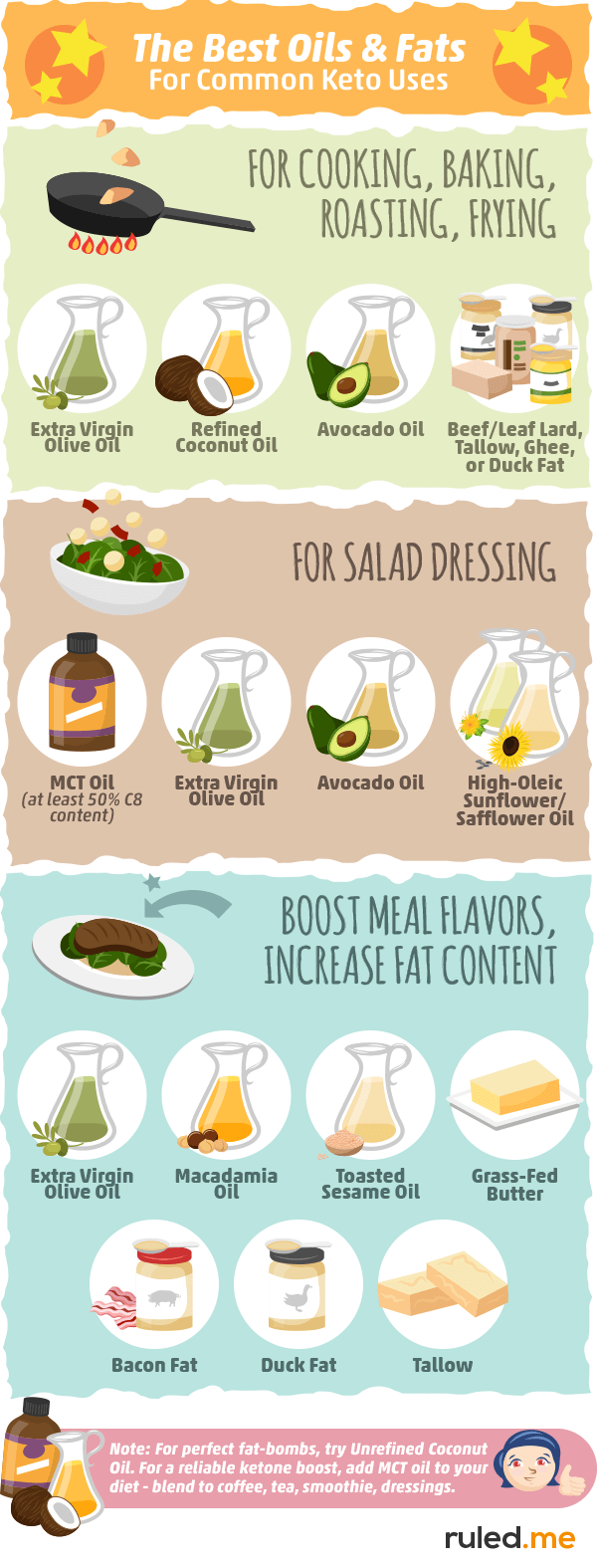 umarlaud.euketogenic tallow frying
Pin On Keto Diet
 www.pinterest.comHere Are Keto Basics. Most Important Thing Are Fats Since 75-80% Of
www.pinterest.comketo
Fat Vs Protein On Keto Diet - How Much Do You Need?
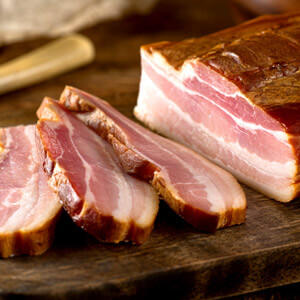 www.carbophobic.comfat keto protein vs macro claim important key their some people
Keto And Fat Loss: What You Need To Know - In Simple And Easy Words
 supaketo.comFat keto protein vs macro claim important key their some people. Here are keto basics. most important thing are fats since 75-80% of. Fat vs protein on keto diet